
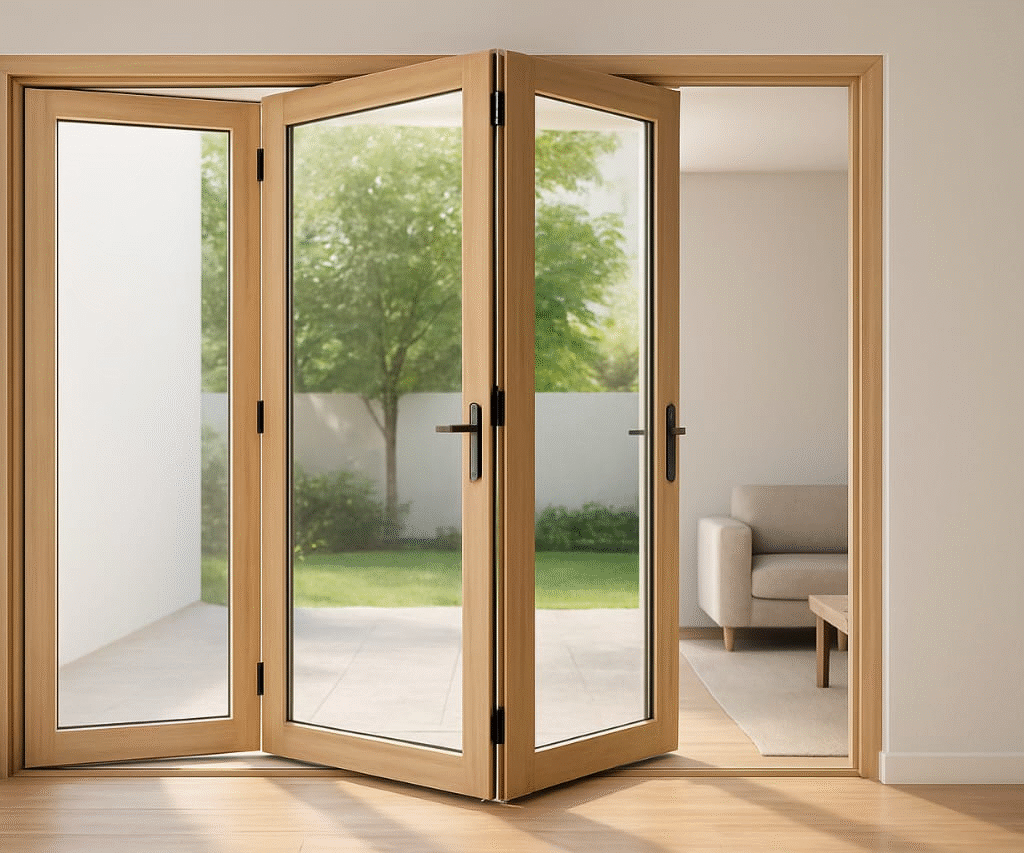
Upgrading doors may not seem as exciting as a kitchen makeover, but it can completely change what the space looks like. A new set of doors can open the room, bring more light, or make the home feel more modern. Of all the door styles you can choose, the befold doors are standing. They fold attractive, easy to use and nicely, give you more room for fun.
Still, one detail often trips people up: size.
Choose the wrong shape, and the doors cannot sit right. They can scrape, feel rigid, or leave the strange intervals that ruin the clean look. Choose the right size, and you find doors that are open, fit beautifully, and feel that they are.
This is why size matters more as style or finish. This guide breaks it completely. By the end, you know how to measure, see what to see, and how to choose a perfectly working bifold doors in your space.
Why People Love Bifold Doors
The first thing to know is why these doors are worth all the attention. Unlike regular hinged doors, which swing wide, bend the bifold door sizes back to themselves. This makes them practical in ways that traditional doors cannot mail.
Think about where you’d want them:
- Opening up a living room to the garden
- Splitting a large bedroom into two separate spaces
- Brightening up a hallway with glass panels
- Even as closet doors where you want easy access without a big swing
Because they fold away, you can enjoy wide, clearly open without wide frames. They also bring more light, especially when equipped with glass. That is why they have become popular in kitchens, dining rooms and patios. You will see them in homes, but also restaurants and offices Fiso where there are flexible space things.
All of this works if the doors are the right size. The proportions and fit are those that look balanced rather than bilateral doors.
Getting the Measurements Right
With doors, a small error can cause big issues. Even the closure of a few millimeters can cause panels to be rigid or incorrectly. That’s why measuring carefully is the most important step.
Keep these points in mind:
- Double-check measurements. Don’t rely on one reading. Measure twice to be safe.
- Remember the frame. The door panels don’t sit inside a bare opening; the frame takes up space too.
- Check for squareness. Openings aren’t always perfect rectangles. Measuring in more than one spot reveals small shifts.
- Leave space to breathe. Wood and even metal can shift slightly with changes in weather. A little gap keeps movement smooth.
These may sound like small details, but together they decide whether your doors glide open or drag against the frame.
What Sizes Are Available
Most bifold doors come in standard sizes. This makes them easy to buy and often more affordable. You can usually find them in widths like:
- 24 inches (great for closets or tight spots)
- 30 inches
- 32 inches
- 36 inches
For height, 80 inches is common, since it matches most doorways. Some makers also produce taller designs, up to 96 inches, for bigger rooms or modern builds with higher ceilings.
Standard sizes save hassle. If your doorway matches one of them, you can usually install without much extra work.
When Standard Doesn’t Fit
Not every house was built with modern dimensions in mind. Older homes, extensions, or custom-built properties may have openings that don’t line up with standard doors. That’s when custom sizes come into play.
Ordering custom doors means you can:
- Fit odd-sized openings without messy adjustments
- Create a clean, wall-to-wall glass effect
- Decide how many panels you want, whether two, four, or more
- Match the exact proportions of your design
Yes, they cost more. But if you want the doors to be the highlight of your home, it is often worth the custom size. They allow you to create a seamless finish instead of pushing standard doors in that space.
Step-by-Step: How to Measure
Here’s a clear method you can follow:
- Measure the width. Check the top, middle, and bottom of the opening. Write down the smallest measurement.
- Measure the height. Again, measure three spots: left, middle, right. Use the shortest measurement.
- Factor in the frame. If you already have a frame, measure from inner edge to inner edge. If not, account for the frame you’ll be installing.
- Allow for clearance. Leave about half an inch so the doors can move freely.
- Check with the supplier. Every manufacturer has slightly different guides. Share your numbers with them to avoid surprises.
This takes a bit of patience but pays off. A careful start saves you from awkward gaps or stuck panels later.
Mistakes People Often Make
Even with clear instructions, there are a few traps that many fall into:
- Skipping measurements and assuming the doorway is “standard”
- Forgetting the space tracks and hinges take up
- Ignoring wall thickness, which can throw off the fit
- Choosing a fold direction that blocks furniture or walkways
All of these are easy to avoid if you take your time and think about the bigger picture of how the doors will sit in the room.
Deciding on Panel Numbers
The size of the opening usually decides how many panels you’ll need.
- Two panels suit closets or narrow openings.
- Four panels are a balanced choice for patio doors.
- Six or more panels turn a wide wall into an open, light-filled feature.
More panels give flexibility, but they also add complexity. Each extra panel means extra hardware, which can make installation a little more involved.
Materials Influence Size
The type of material you pick changes what sizes are practical.
- Wood is strong but heavy, so very large panels may need stronger hardware.
- Aluminum is light yet tough, perfect for wide glass doors.
- uPVC is budget-friendly but best for smaller setups.
- Glass with slim frames brings in maximum light but requires careful handling due to weight.
Think about the balance between strength, look, and ease of use. The right material helps the doors last and perform smoothly.
Interior or Exterior Use
Where the doors go makes a difference in sizing and style.
- Inside the home, you’ll often see smaller, lighter bifold doors used for closets, laundry rooms, or as dividers. Standard sizes usually work here.
- For patios and exterior walls, panels need to be taller, wider, and stronger. They also need to keep out drafts, handle weather changes, and provide security.
For outdoor doors, insulation and safety should always guide your choice as much as size does.
Think About Style and Proportion
A door isn’t just about measurements. It is also about what looks like in space.
Small doors in a large, open room look underwalking. Oversized panels may feel tremendous in a narrow hall lave. The right proportions make the room look balanced.
Stand back and picture how the door will look once after installing. Imagine a walk by them. If they think they are in space, you probably chose the right size.
Should You Call a Professional?
Some people are comfortable with a tape measure and installation tools. Others would rather have peace of mind. IfYour project is small – such as closet doors – you’re okay on your own.
For large setups, especially external bifold doors, a professional is often a safe way. They will bring tools, experience and precision to make it right. They can also recommend the best panel layout and ensure that the doors open easily from the beginning.
Sometimes paying for a specialist saves money in the long run by avoiding errors.
Wrapping It Up
Befold doors can change the room in a way that most people do not expect. They open spaces, bring natural light and create a more modern feeling. But it all depends on choosing the right size.
Take your time with a size, think about the number of panels and consider whether the standard or custom door corresponds to your space. The right choice will make the door a highlight instead of difficulty.
The truth is, Bifold Door Sizes aren’t just numbers on a chart. They shape how the doors look, feel, and function day to day. Whether you’re upgrading a closet or opening up a wall to the garden, the size you choose will make the difference between average and exceptional.
When done right, bifold doors won’t just serve as a way to get in and out. They’ll become a feature you’ll enjoy every single time you use them.