
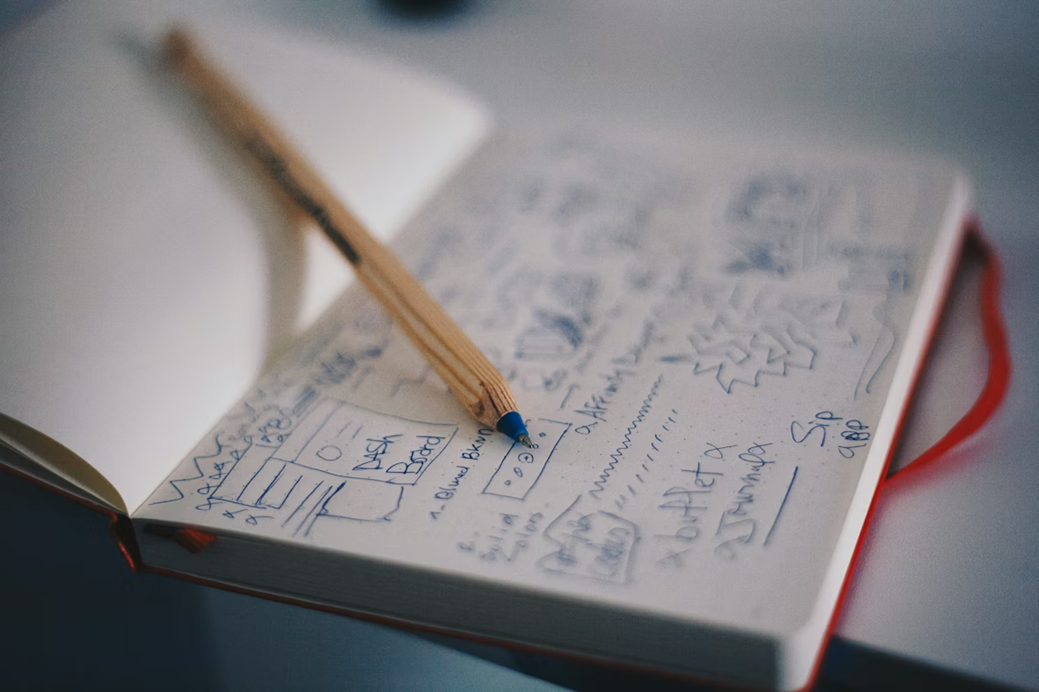
Design thinking shapes technology products through clear insight, rapid validation, and steady iteration. Teams study real user behavior and solve root problems rather than surface issues. This focus supports stronger decisions and smoother development. Creative methods guide teams toward solutions that feel practical, intuitive, and meaningful. Strong design foundations drive momentum.
1. Defining the Core Problem
Tech teams commit to problem definition before they explore features or interfaces. They investigate user frustrations, unmet needs, and hidden motivations through interviews, observation, and data review. Clear framing reduces wasted effort and sharpens product direction. Designers and engineers align expectations early, which keeps goals realistic and measurable. Research-driven clarity strengthens communication among stakeholders. Teams then replace guesswork with well-supported insights. Precise problem definition encourages disciplined exploration rather than scattered creativity. Prioritization becomes straightforward when teams understand user pain points at a deep level. This foundation creates focus, speed, and purpose throughout the product lifecycle.
2. Generating Strong Ideas Through Exploration
Teams generate diverse ideas once they understand the challenge clearly. They brainstorm freely, sketch early flows, compare concepts, and evaluate possibilities with open discussion. This creativity stage moves quickly and encourages bold thinking while teams gauge feasibility. Many professionals strengthen this phase through advanced study, including a masters in design management, which sharpens decision skills and collaborative structure. Lightweight prototypes reveal strengths and weaknesses early. Quick feedback shapes stronger choices and reduces costly wrong turns. Thoughtful idea generation fuels innovation that aligns user value with technical capability.
3. Building Prototypes That Inspire Alignment
Prototyping turns abstract ideas into concrete experiences that teams can evaluate. Designers build simple click-through models or rough interactive layouts that highlight flow, pacing, and clarity. Engineers contribute technical insight to ensure concepts remain realistic. Teams test these prototypes with real users who react instinctively to structure and intent. Observations help teams refine assumptions and adjust direction quickly. Early prototyping reduces risk because teams learn what works before committing resources. This stage also fosters collaboration as everyone sees the same evolving product. Strong prototypes elevate discussions from speculation to informed decisions, which accelerates confident progress.
4. Testing With Real Users to Reveal Truth
User testing validates assumptions through direct engagement. Teams watch how people interact with prototypes, track moments of confusion, and note behaviors that reveal real expectations. This evidence shapes decisions far better than guesswork. Designers improve flow and clarity while engineers adjust technical considerations based on user reactions. Each testing round narrows uncertainty and strengthens product direction. Teams learn which features resonate and which require redesign. User testing also builds empathy by grounding decisions in real human experience. Insights from testing create steady progress, sharper focus, and reduced risk, ultimately driving stronger outcomes across product cycles.
5. Iterating With Purpose and Precision
Iteration guides tech products toward maturity through continuous improvement. Teams refine features, simplify interactions, and strengthen performance after each round of testing. Data from user behavior highlights friction points that require attention. Designers revise layouts and messaging, while engineers smooth technical performance. This steady rhythm of updates prevents stagnation and ensures the product evolves with real-world insight. Iteration supports creativity without sacrificing direction, as teams learn from each change. Clear feedback loops unify designers, engineers, and stakeholders around shared goals. Consistent iteration builds momentum and produces solutions that feel polished, intuitive, and reliable for users.
6. Collaborating Across Disciplines
Cross-functional collaboration drives design thinking to its full potential. Designers, engineers, researchers, and product leads share knowledge that strengthens decisions at every step. This teamwork prevents silos from forming and ensures each perspective receives equal respect. Open communication reduces friction and accelerates progress. Teams solve challenges faster because everyone understands constraints and opportunities. Collaboration also nurtures accountability, since each member sees their contributions influence product quality. When teams communicate clearly, they avoid rework and maintain steady momentum. Effective collaboration supports alignment on priorities, timelines, and user value, which results in stronger and more sustainable product outcomes.
7. Using Storytelling to Strengthen Understanding
Storytelling enhances product success by connecting features to user value. Teams articulate clear explanations of why a solution matters and how it improves everyday tasks. They craft narratives that simplify complex systems and help stakeholders visualize purpose. Good storytelling strengthens alignment because everyone understands the product’s intent. Designers use narrative structure to refine interactions while engineers reference the same story to maintain coherence. Storytelling also improves communication with customers, who respond to relatable reasoning rather than abstract claims. Strong narratives guide decisions, clarify priorities, and keep teams focused on delivering meaningful value through each stage of development.
8. Encouraging Innovation Through Curiosity
Design thinking strengthens innovation by encouraging teams to challenge assumptions. They explore diverse viewpoints, experiment with unconventional ideas, and question long-held habits. This mindset builds resilience because teams stay adaptable in changing markets. Innovation thrives when teams feel safe to test new directions without fear of failure. Designers encourage exploration through visual thinking, while engineers validate feasibility. Leadership supports experimentation by offering structure and clear goals. When teams embrace curiosity and responsibly explore unknown paths, they uncover solutions that outperform predictable patterns. This culture of innovation drives products that stand out and stay relevant.
9. Aligning With Market Needs
Market alignment improves product success by connecting design insight with commercial strategy. Teams study competitor offerings, industry trends, and customer expectations to shape strong positioning. Designers adjust interactions and features to reflect real demand, while product strategists refine messaging and value propositions. Engineers ensure performance supports market needs without unnecessary complexity. This alignment helps teams avoid overbuilding and maintain focus on outcomes that resonate with customers. Market awareness also supports long-term planning as teams anticipate emerging opportunities. When design and strategy stay connected, products launch with clarity, purpose, and a strong competitive advantage. Design thinking and innovation shape technology products with clarity, momentum, and purpose. Teams gain insight, validate choices, and refine ideas through consistent collaboration and focused learning. Each stage supports smarter decisions and stronger outcomes. A disciplined design mindset drives products that earn trust, deliver value, and evolve confidently in competitive environments.