
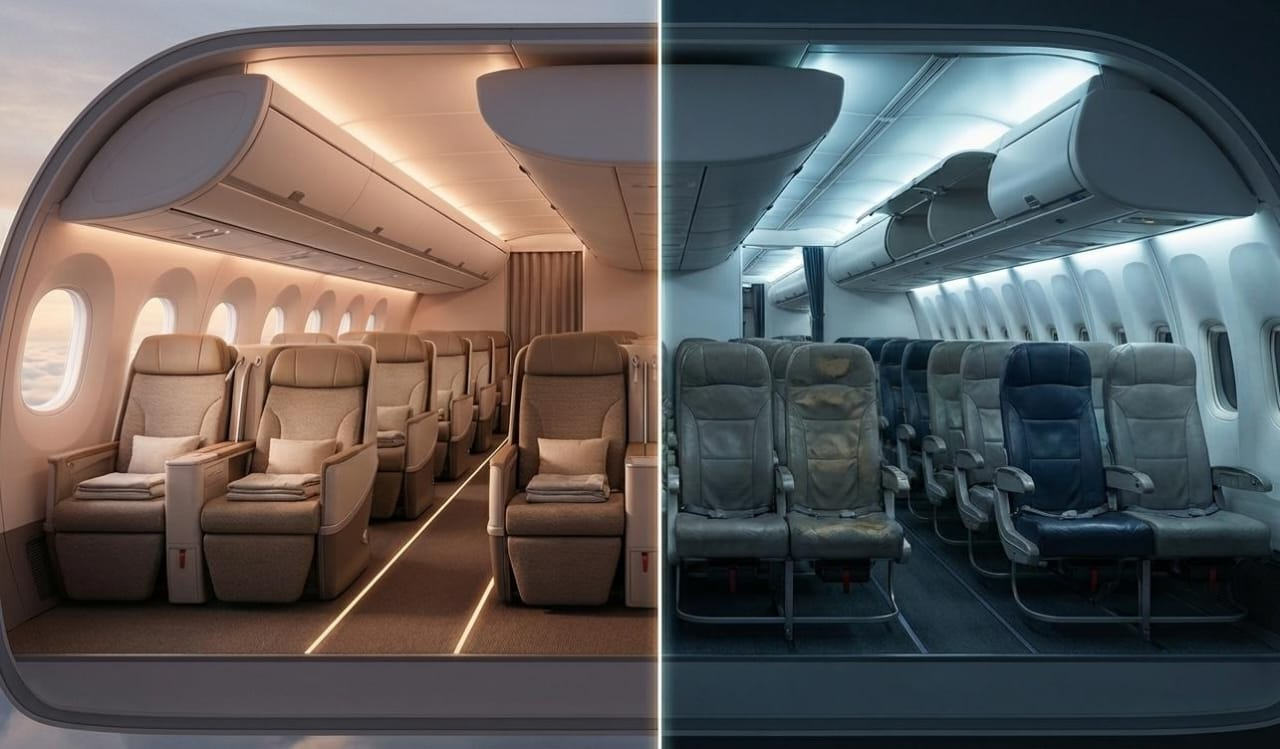
Air travel is more than just getting from one city to another. The time you spend inside a plane matters. What you see, sit on, even what you hear and feel all shapes your trip. That’s where aircraft cabin interior design becomes powerful. It affects comfort, mood, stress, sleep, and even how safe you feel. Good design turns a long, tiring flight into a smoother experience.
Aircraft cabin interior design is not just about looks. It is about how people use space. It is about light, sound, seating, storage, and movement. It balances form and function. And it directly changes the passenger experience.
In this article, we explore how cabin design works. We look at its impact on comfort, wellbeing, usability, and passenger satisfaction.
This topic is closely covered by JETLINER CABINS, an aviation platform focused on cabin design and passenger experience.
What Is Aircraft Cabin Interior Design?
Imagine stepping onto a plane. There are seats, aisles, bins, lights, walls, windows, and floors. All these elements are part of the cabin. Aircraft cabin interior design refers to how these elements are arranged, shaped, and built. It includes:
- Seating layouts and spacing
- Materials used in walls, floors, and seats
- Lighting systems
- Storage spaces
- Colour schemes
- Amenities like entertainment screens and power outlets
Great design makes a space feel open and calm. Poor design makes it feel tight and stressful. This is why airlines invest time and money in cabin interiors.
First Impressions Matter
When passengers enter a plane, their first view sets expectations. A bright, neat cabin feels welcoming. Soft colours and clean lines help people relax. A dark, cluttered interior can make a space feel cramped and old.
Designers think about the moment a passenger boards. They plan sightlines, lighting, and textures so the cabin feels open and pleasant. That first impression can influence mood for the whole flight.
Seating: Comfort More Than Looks
Seats are central to cabin design. They must be strong, light, and comfortable. In many flights, passengers spend most of their time sitting. Poor seating design causes tiredness, stiffness and aches.
Designers study human bodies. They test cushion shapes, angles, and lumbar support. They look at how seats recline. They consider legroom and how people move in and out.
Good seats do not just look modern. They support the body. They reduce pressure points. They help people relax, even on long flights.
Colours and Materials Affect Mood
Colour can change how space feels. Warm colours can make a cabin feel cozy. Cool tones can make it feel calm. Materials also matter. Soft fabrics feel nice to touch but must be strong enough to last many flights.
Materials must be safe too. They need to resist fire and damage. They must be easy to clean. This balance between comfort, durability, and safety is hard to achieve. It takes testing and smart choices.
Even small design decisions — like choosing matte vs glossy surfaces — affect how passengers see light and space.
Lighting and Passenger Wellbeing
Lighting is an often overlooked part of cabin design. It can lift your mood or make you feel bothered. Many modern aircraft use adjustable lighting systems. These systems mimic natural daylight. They shift colours to reduce jet lag and help passengers rest.
Cool white light feels energizing. Warm light feels calming. Low light helps people relax and sleep. Strategic lighting can even make the cabin look larger than it really is.
Good lighting also helps with reading menus, maps, or screens. It gives a sense of time. It can ease the stress of long flights.
Noise and Acoustic Comfort
Design does not end with what you see. Sound matters too. Aircraft cabins are noisy places. Engines, airflow, and movement create background sound. Designers use materials that absorb noise to make cabins quieter.
Quieter cabins feel less tiring. Hearing constant noise can drain energy fast. When designers control sound, passengers relax more easily. Sleeping becomes easier. Conversations are less strained.
Good acoustic design makes a big difference, even if passengers are not consciously aware of it.
Space and Movement
Space feels different depending on how it is arranged. Long, straight aisles feel open. Narrow aisles feel tight. How seats are placed affects movement. Efficient layouts reduce congestion. That means easier access to restrooms and less waiting in aisles.
Designers create zones. They plan traffic flow so people can move comfortably. They think about families, elderly passengers, people with children, and those with mobility needs. All these details add up.
The design of space affects stress levels. When movement feels natural, the cabin feels calm.
Storage and Personal Space
Overhead bins are part of interior design too. Passengers carry bags, laptops, and jackets. Bins must be easy to reach and use. They must use space wisely. Poor storage design leads to long boarding times and frustration.
Personal space is also designed. Tray tables, armrests, and small storage pockets shape the experience. Thoughtful design gives passengers a place for their items without cluttering seats.
When personal spaces are intuitive and logical, passengers feel more in control.
The Role of Technology
Modern cabins use technology to improve passengers’ comfort. Entertainment screens, USB outlets, wireless power, and smart controls are now common.
Designers integrate these features without making the cabin feel busy. They hide wires, place screens at good eye levels, and make controls easy to reach.
Technology can distract from discomfort. But when integrated poorly, it becomes annoying. Good design keeps tech helpful and simple.
Impact on Sleep and Health
Sleeping on a plane is hard for many people. But cabin design can help. Comfortable seating, quiet zones, soft lighting, and climate control all support better rest.
Temperature is part of design too. Too cold or too warm cabins make sleeping difficult. Designers plan airflow and vents to keep a balanced temperature throughout the cabin.
Rest is essential, especially on long flights. When cabin design supports better rest, passengers feel more refreshed on arrival.
Accessibility and Inclusive Design
Good design works for everyone. Children, elderly passengers, taller individuals, and people with disabilities all have unique needs. Cabin design must consider these needs without making the space feel cluttered.
Accessible features include wider aisles, suitable seating positions, and easy‑to‑reach storage. Inclusive design makes travel easier for all passengers.
Even simple things like colour contrast on signs help visually impaired passengers.
Every part of the Airplane interior is designed to balance comfort, safety, and efficient use of space.
Effects on Stress and Anxiety
Travel can be stressful. Tight spaces, unfamiliar surroundings, and long periods of sitting make anxiety worse. Thoughtful cabin design eases some of that stress. Soft colours, quiet cabins, easy movement, and clear signage all help calm the mind.
Passengers feel safer when the space feels organized and intuitive. They can find what they need without confusion. That simplicity lowers stress.
Design affects emotion. It can make spaces feel peaceful or cramped. That changes how passengers feel on every flight.
Economy vs Premium: Design Differences
Design differs between economy and premium cabins. Premium seats often have more legroom, wider cushions, and extra features. Economy cabins focus on space efficiency. Designers still try to give comfort within limits.
Each cabin type has its own design goals. The economy focuses on fitting many passengers safely and comfortably. Premium prioritizes space and luxury. Both aim to make time onboard better.
Passengers notice the difference. But even small design improvements in economy cabins make a big impact on satisfaction.
How Airlines Use Design to Compete
Airlines know that cabin experience influences reviews and bookings. Good design is a competitive advantage. It affects how people talk about the airline. It even shapes loyalty.
Passengers remember how they felt on a flight. Comfortable cabins get shared in stories and recommendations. Designers shape that memory.
So airlines invest in studying passenger needs. They test materials, layouts, and lighting. They refine based on feedback.
It is not just style. It is strategy.
Sustainability in Cabin Design
Today, sustainability matters. Materials that weigh less reduce fuel use. That lowers emissions. Designers choose lighter fabrics, efficient lighting, and recyclable components.
Sustainable design also means long‑lasting parts. When seats and panels last longer, fewer replacements are needed. That lowers waste.
Passengers who care about the environment appreciate sustainable interiors. It feels good to travel without heavy environmental guilt.
Real Passenger Reactions
Passengers respond to design in real ways. People report feeling less tired when seats support their backs well. They mention calm colours and soft lighting as pleasant. Easy‑to‑reach bins and spacious aisles make boarding feel smoother.
Some passengers say good design reduces nervousness. That speaks to the emotional side of design.
These reactions matter. They prove that cabin design doesn’t just look nice. It changes the experience.
The Future of Cabin Design
Cabin design keeps evolving. Material technology improves. Lighting systems become smarter. Seating shapes change. Designers test new ideas on simulators and real cabins.
Passenger feedback plays a big role. Airlines monitor reviews and adjust accordingly. Future cabins might feel more like comfortable living spaces than traditional plane interiors.
One day, cabins may adapt automatically to each passenger’s needs. That could change flying forever.
Final Thoughts
Aircraft travel is a shared experience. People with different goals, sizes, and expectations sit together for hours. Good aircraft cabin interior design brings calm to that shared space. It supports comfort, movement, rest, and mood.
Design is not decoration. It is the science of shaping human experience inside tight quarters. Every seat cushion, light panel, and aisle width matters. Passengers feel these decisions, even if they don’t notice them by name.
At its heart, cabin design helps people feel better on a flight. It makes travel easier. It turns the sky into a place where people can work, rest, or simply relax.
And at the center of every good cabin is thoughtful, smart, human‑focused design.
For brands, aviation platforms, and design-focused websites, strong visibility matters as much as quality content. Building that visibility needs smart SEO, clean backlinks, and content placed on the right platforms. This is where Digital Viorix adds value. The team focuses on natural link placement, niche-relevant publishing, and long-term search growth instead of shortcuts. When done right, this approach helps websites gain authority, reach the right audience, and stay competitive in search results without risking trust or quality.