
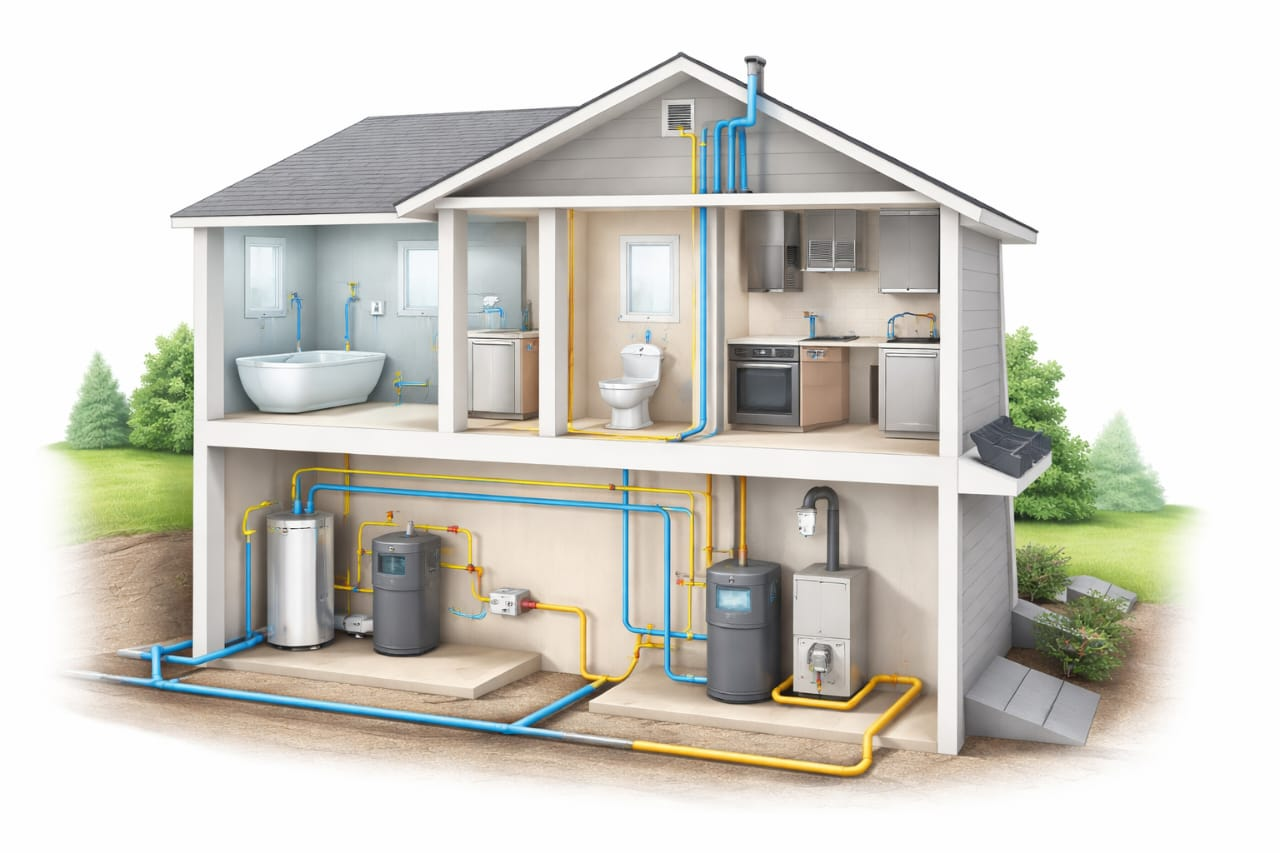
Most people only think about plumbing or gas systems when something goes wrong. A leak appears. The water pressure drops. A gas smell causes concern. Until then, these systems quietly do their work behind walls and under floors. They are not visible, but they shape daily life in every home.
Residential plumbing and gas infrastructure is the backbone of comfort, hygiene, and safety. It delivers clean water, removes waste, and fuels heating and cooking. When designed and maintained properly, it works without attention. When it fails, the impact is immediate.
This document explains how these systems work, how they are built, and why proper design matters. The focus is practical and real-world. No sales language. Just how things actually function in homes.
When learning about how residential plumbing and gas systems are installed and maintained, it can be helpful to review real-world service examples. Simply Plumbing and Gas provides insight into how common household plumbing and gas issues are handled at the residential level, including system repairs, safety checks, and routine maintenance. Looking at practical service workflows like these helps readers better understand how plumbing and gas infrastructure functions beyond diagrams and theory.
The Purpose of Residential Infrastructure
Every home relies on two core systems to operate smoothly. Plumbing manages water supply and waste removal. Gas systems deliver fuel for heating, cooking, and selected appliances.
Both systems are designed to be reliable, sealed, and safe. They must follow strict building standards. Small mistakes in installation often lead to long-term problems.
Unlike visible elements such as paint or flooring, infrastructure remains hidden. That makes planning and quality work essential from the start.
How Water Enters a Home
Water typically enters a home through a municipal supply line or a private well. This entry point is usually underground and protected from damage and freezing.
After entry, water passes through a main shutoff valve. This valve allows the entire supply to be stopped during repairs or emergencies. From there, water flows through a network of distribution pipes. Cold water lines feed fixtures and appliances directly. Hot water lines begin at the water heater and branch outward.
Pressure control plays a major role. Excessive pressure strains pipes and fittings. Low pressure affects daily use. Many homes use pressure-reducing valves to keep flow balanced. Homes that receive steady care experience fewer emergencies and longer system life.
Pipe Materials and Their Roles
Different pipe materials serve different functions. Selection depends on age, location, and local building codes.
Copper pipes resist corrosion and handle heat well. PEX piping is flexible and easier to install, making it common in modern homes. PVC and ABS pipes are typically used for drain and waste lines. Older homes may still contain galvanized steel, which often causes flow restrictions over time.
Each material responds differently to pressure, temperature, and movement. Improper connections between materials can cause leaks or corrosion.
Drainage and Waste Removal
Drain systems rely on gravity. Pipes slope downward so wastewater moves naturally toward the sewer or septic system.
Vent pipes support this process by allowing air into the system. Without proper venting, drains empty slowly and create noise.
Traps are installed under sinks, showers, and toilets. They hold water to block sewer gases from entering living spaces.
A well-designed drain system remains quiet, odor-free, and dependable.
Water Heating Systems
Hot water supports everyday activities. Homes use different water heating systems depending on design and demand.
Tank systems store heated water. Tankless systems heat water as needed. Heat pump systems transfer heat rather than creating it directly.
Each system affects plumbing layout. Long pipe runs increase heat loss and delay delivery. Insulation helps maintain temperature and protects against condensation.
Gas Supply Basics
Gas systems operate separately from plumbing but follow similar safety principles. Natural gas or propane enters the home through a regulated supply line.
Regulators reduce pressure to safe levels before gas reaches appliances. Consistent pressure ensures proper performance.
Gas lines must remain sealed at all times. Even small leaks pose safety risks. Shutoff valves are installed to allow quick control during maintenance or emergencies.
Gas Appliances and Venting
Common gas-powered appliances include stoves, ovens, water heaters, furnaces, and fireplaces.
Each appliance requires proper ventilation. Combustion creates byproducts that must exit the home safely. Vent pipes and flues handle this task.
Improper venting is a serious hazard. It can lead to carbon monoxide buildup. That is why inspections and testing are essential.
Flexible connectors are often used between appliances and rigid gas lines. These connectors absorb movement and reduce stress on fittings.
Safety Systems and Monitoring
Modern homes include several layers of safety.
Pressure relief valves protect water heaters from overpressure.
Gas detectors alert occupants to leaks.
Carbon monoxide detectors warn of incomplete combustion.
These devices do not prevent problems, but they reduce risk. They buy time and provide early warnings.
Regular testing is important. Batteries fail. Sensors age. A safety device only works if it is maintained.
The Role of Building Codes
Plumbing and gas systems follow detailed building codes. These codes exist because failures can cause serious harm.
Codes define pipe sizes, materials, slopes, venting methods, and clearances. They are based on decades of real-world data.
While codes vary by region, the principles remain consistent. Safe flow. Proper pressure. Adequate ventilation. Controlled expansion.
Ignoring codes often leads to hidden problems that surface years later.
Common Design Mistakes
Many residential issues trace back to design shortcuts. Pipes that are too small restrict flow.
Poor vent placement causes slow drains.
Long gas runs without proper sizing reduce appliance performance.
Inadequate shutoff access complicates repairs.
These mistakes are not always visible. They reveal themselves gradually through noise, smells, or reduced efficiency. Good infrastructure planning considers future use, not just immediate needs.
Maintenance and Longevity
No system lasts forever. Pipes corrode. Seals wear out. Valves stiffen. Regular inspection helps catch small issues early. Signs of trouble include discoloration, unusual sounds, pressure changes, or odors.
Maintenance does not always mean replacement. Often it involves cleaning, tightening, or minor adjustments.
Renovations and Infrastructure Changes
Renovation projects often involve moving fixtures or appliances. This affects both plumbing and gas systems. Changes must account for slope, venting, and load calculations. Extending a line is not always simple.
Older homes may lack capacity for modern demand. Larger families and new appliances increase strain. Upgrading infrastructure during renovations prevents future issues and improves reliability.
Environmental and Efficiency Considerations
Water-saving fixtures reduce demand without sacrificing comfort. Efficient appliances lower energy use.
Gas systems benefit from proper sizing and modern controls. Oversized systems waste fuel. Undersized systems struggle to perform.
Insulation, smart controls, and regular tuning improve performance across both systems.
Efficiency is not about technology alone. It starts with proper design.
Why Infrastructure Knowledge Matters
Homeowners do not need to be experts. But basic understanding helps with decisions.
Knowing where shutoff valves are located matters.
Recognizing warning signs prevents damage.
Understanding system limits avoids misuse.
This knowledge also improves communication with professionals. Clear descriptions lead to better outcomes.Infrastructure works best when it is respected, not ignored.
Final Thoughts
Residential plumbing and gas systems form a quiet but essential network. They support health, safety, and comfort every day. When designed well, they disappear into the background. When neglected, they demand attention.
Understanding how these systems work builds confidence. It leads to better choices, safer homes, and fewer surprises. This topic does not change quickly. The principles remain steady. That is what makes it worth understanding.