
Modern agriculture is no longer based on experience alone. Farmers, agricultural companies, and food producers now rely on science, technology, and expert guidance to improve crop quality, reduce production costs, and protect natural resources. This shift has made the Agronomo Business Function more important than ever. An agronomo, also known as an agronomist, combines agricultural science with practical farming knowledge to help businesses and farmers make better decisions throughout the crop production cycle.
Whether managing soil health, selecting the right seeds, planning irrigation systems, or reducing the impact of pests and diseases, an agronomo plays a critical role in ensuring successful farming operations. Their work goes beyond the field. They also support agribusiness companies, agricultural consultants, food manufacturers, and government organizations by developing strategies that increase productivity while promoting sustainable farming practices.
Understanding the Agronomo Business Function is valuable for students, farmers, agricultural entrepreneurs, and anyone interested in modern agriculture. As climate change, population growth, and limited natural resources continue to challenge the farming industry, agronomists help businesses adapt through research-driven solutions and precision agriculture techniques.
In this guide, you’ll learn what an agronomo is, the core business functions they perform, their daily responsibilities, and the essential skills that make them successful. You’ll also discover how modern technologies such as artificial intelligence, drones, GPS mapping, and data analytics are transforming agronomy into one of the most influential professions in today’s agricultural sector.
What Is an Agronomo?
An agronomo, commonly known in English as an agronomist, is an agricultural professional who specializes in improving crop production, soil management, and sustainable farming practices. The primary goal of an agronomist is to help farmers and agricultural businesses produce healthier crops while using land, water, fertilizers, and other resources more efficiently.
The Agronomo Business Function combines scientific research with practical farming knowledge. Instead of focusing only on planting crops, agronomists analyze every factor that influences agricultural productivity. They study soil composition, weather conditions, irrigation methods, crop nutrition, pest control, and environmental sustainability to recommend the most effective farming strategies.
Unlike traditional farming advisors who mainly rely on experience, agronomists use scientific data, field trials, laboratory testing, and digital technologies to make informed decisions. Their recommendations help reduce risks, improve yields, lower production costs, and maintain long-term soil fertility.
Today, agronomists work in a wide range of industries. They are employed by agricultural companies, seed manufacturers, fertilizer producers, government agencies, research institutions, food processing businesses, and independent consulting firms. Many also work directly with farmers to solve challenges that affect crop quality and farm profitability.
The importance of the Agronomo Business Function has grown significantly in recent years because agriculture faces increasing pressure from climate change, water shortages, soil degradation, and rising food demand. Agronomists help businesses respond to these challenges by introducing innovative farming techniques that balance productivity with environmental responsibility.
For example, if a farm experiences declining wheat yields despite using high-quality seeds, an agronomist will investigate soil nutrients, irrigation efficiency, pest activity, and weather patterns instead of recommending more fertilizer immediately. This scientific approach allows businesses to solve the root cause of the problem rather than treating only the symptoms.
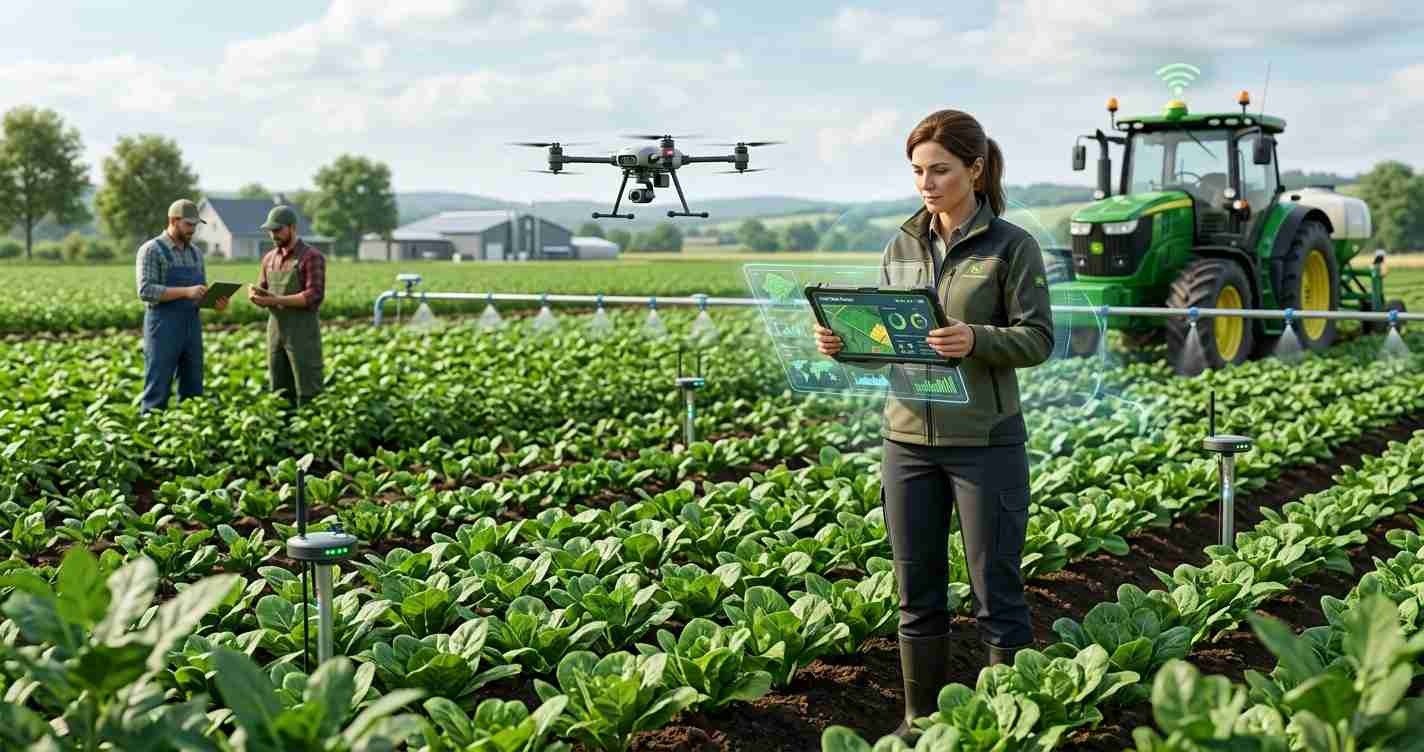
Modern agronomy also includes precision agriculture, where drones, GPS technology, satellite imagery, and artificial intelligence help monitor crop health in real time. These innovations enable agronomists to provide accurate recommendations that save resources while maximizing production.
As agriculture continues to evolve, the role of the agronomist has expanded from field management to strategic business planning. Today’s agronomists not only improve crop performance but also contribute to financial planning, sustainability goals, risk management, and long-term agricultural development.
For this reason, understanding the Agronomo Business Function is essential for anyone involved in modern farming or agribusiness. It represents the connection between agricultural science, business strategy, and sustainable food production, making it one of the most valuable functions in today’s agricultural economy.
Core Business Functions of an Agronomo
The Agronomo Business Function extends far beyond growing crops. An agronomo acts as a strategic advisor who combines agricultural science, field experience, and business knowledge to improve farm productivity and long-term profitability. Every recommendation is based on research, field observations, and data rather than guesswork. This scientific approach helps agricultural businesses make informed decisions while reducing unnecessary costs and protecting natural resources.
One of the primary business functions of an agronomo is crop planning. Before a growing season begins, the agronomist evaluates soil conditions, climate patterns, water availability, and market demand. Based on this assessment, they recommend suitable crop varieties, planting schedules, and cultivation methods. Proper planning reduces production risks and increases the chances of achieving healthy yields.
Another essential Agronomo Business Function is soil management. Healthy soil is the foundation of successful farming. Agronomists analyze soil samples to determine nutrient levels, pH balance, organic matter, and potential deficiencies. Instead of applying fertilizers uniformly across an entire field, they develop customized nutrient management plans that improve soil fertility while minimizing waste. This not only supports stronger crop growth but also lowers input costs over time.
Water and irrigation management is another critical responsibility. Efficient water use has become increasingly important as many farming regions experience water shortages and changing weather conditions. Agronomists evaluate irrigation systems, recommend modern techniques such as drip irrigation, and create watering schedules based on crop growth stages. These practices improve water efficiency while maintaining consistent crop development.
Pest and disease management also forms a major part of the Agronomo Business Function. Rather than relying solely on chemical pesticides, agronomists promote integrated pest management strategies. They monitor fields regularly, identify early warning signs, and recommend biological, cultural, or chemical solutions only when necessary. This balanced approach protects crops, reduces environmental impact, and helps maintain long-term soil health.
Agronomists also focus on yield optimization and quality improvement. By analyzing plant health throughout the growing season, they identify factors that may reduce productivity and recommend timely corrective actions. Better crop quality often results in higher market value and stronger returns for farmers and agribusinesses.
Technology has significantly expanded the Agronomo Business Function. Today, agronomists use drones, satellite imagery, GPS mapping, soil sensors, and farm management software to monitor crop performance with greater accuracy. These digital tools allow them to detect problems early, optimize resource use, and make data-driven decisions that improve efficiency across the entire farming operation.
Risk management is another valuable business function. Agronomists assess potential threats such as drought, floods, nutrient deficiencies, disease outbreaks, and changing market conditions. They help develop preventive strategies that reduce financial losses and improve farm resilience. Their expertise enables agricultural businesses to prepare for challenges instead of reacting after problems occur.
The agronomist also serves as a bridge between scientific research and practical farming. They translate complex agricultural findings into simple recommendations that farmers can implement successfully. This knowledge transfer ensures that modern farming techniques are adopted effectively without disrupting day-to-day operations.
Ultimately, the Agronomo Business Function supports every stage of agricultural production—from planning and planting to harvesting and long-term sustainability. By improving productivity, managing resources wisely, embracing technology, and reducing operational risks, agronomists play a central role in building profitable and environmentally responsible agricultural businesses.
Key Roles and Responsibilities of an Agronomo
The Agronomo Business Function involves multiple responsibilities that connect agricultural science with practical business decisions. An agronomo does not only monitor crops but also helps farmers and agricultural companies improve efficiency, reduce risks, and achieve better financial outcomes.
One of the major roles of an agronomo is crop monitoring and management. They regularly inspect fields, analyze plant health, and identify problems related to nutrients, diseases, pests, or environmental conditions. Early detection allows farmers to take corrective actions before major losses occur.
Agronomists also play an important role in agricultural consulting. They guide farmers and businesses about seed selection, fertilizer usage, irrigation methods, and sustainable cultivation techniques. Their recommendations are based on soil analysis, research, and field experience.
Another important responsibility is conducting field research and trials. Agronomists test new crop varieties, farming methods, and agricultural products to determine their effectiveness in real conditions. These experiments help businesses introduce better solutions to the market.
They also support farm profitability and resource management by identifying ways to reduce unnecessary expenses. For example, an agronomist may recommend precise fertilizer application instead of excessive usage, helping a farm save money while maintaining productivity.
| Role | Main Responsibility |
| Crop Advisor | Improves crop production strategies |
| Soil Specialist | Analyzes soil health and nutrients |
| Research Expert | Tests new farming methods |
| Sustainability Advisor | Promotes eco-friendly practices |
| Agricultural Consultant | Guides farmers and businesses |
Modern agronomists also collaborate with technology experts, using digital tools to analyze farm data and improve decision-making. Their role has expanded from traditional fieldwork to strategic agricultural management, making them essential professionals in today’s farming industry.
Essential Agronomo Skills
A successful agronomo needs a combination of scientific knowledge, technical abilities, and business understanding. The modern Agronomo Business Function requires professionals who can solve agricultural challenges while adapting to changing farming environments.
The most important skill is crop and soil science knowledge. Agronomists must understand plant biology, soil composition, nutrient requirements, and environmental factors that influence crop growth. This knowledge allows them to create effective farming strategies.
Analytical and problem-solving skills are equally important. Agricultural problems rarely have one simple solution. An agronomist must analyze field data, identify root causes, and develop practical solutions that fit the farmer’s situation.
Communication skills are also essential because agronomists work directly with farmers, researchers, suppliers, and business owners. They need to explain complex scientific information in simple language that others can easily understand.
| Skill | Why It Matters |
| Soil Analysis | Helps improve crop health |
| Data Interpretation | Supports accurate decisions |
| Communication | Builds trust with farmers |
| Technology Knowledge | Enables precision farming |
| Business Thinking | Improves farm profitability |
Technology skills are becoming increasingly valuable. Modern agronomists use GPS systems, farm management software, drones, and AI-based agricultural platforms to collect and analyze information.
A strong agronomist also needs adaptability. Climate change, new farming regulations, and evolving technologies constantly change the agricultural industry. Professionals who continue learning can provide better solutions and remain competitive.
Overall, the combination of scientific expertise, communication ability, technology awareness, and business understanding makes an agronomist effective in modern agriculture.
Benefits for Modern Agriculture
The Agronomo Business Function provides significant benefits for modern agriculture by improving productivity, sustainability, and profitability. As farming becomes more complex, agronomists help businesses make smarter decisions based on science and accurate data.
One major benefit is higher crop productivity. Agronomists analyze growing conditions and recommend suitable seeds, fertilizers, and farming techniques. These improvements help farmers achieve better yields without unnecessarily increasing expenses.
Another advantage is cost reduction. Through proper soil testing and resource planning, agronomists prevent overuse of fertilizers, pesticides, and water. This reduces operational costs while maintaining crop quality.
Agronomists also support sustainable agriculture. They promote farming methods that protect soil health, conserve water, and reduce environmental damage. Sustainable practices help farmers maintain productivity for future generations.
| Benefit | Impact on Agriculture |
| Better Crop Yield | Increased production efficiency |
| Resource Management | Less waste of water and fertilizers |
| Disease Prevention | Reduced crop losses |
| Sustainability | Protects natural resources |
The role of agronomists is especially valuable during unpredictable conditions such as droughts, climate changes, and disease outbreaks. Their recommendations help farmers prepare and respond effectively.
For agricultural businesses, agronomists also improve decision-making by providing professional insights into market trends, crop performance, and production strategies. This creates a stronger connection between farming operations and business success.
As agriculture continues moving toward technology-driven solutions, the importance of agronomists will continue growing. Their expertise helps create a balance between productivity, profitability, and environmental responsibility.
Also Read: Unbanned G+ Future of Unblocked Browser Gaming
Technology in Agronomo Business
Technology has transformed the traditional role of agronomists. Today, the Agronomo Business Function depends heavily on digital tools that improve accuracy, efficiency, and decision-making in agriculture.
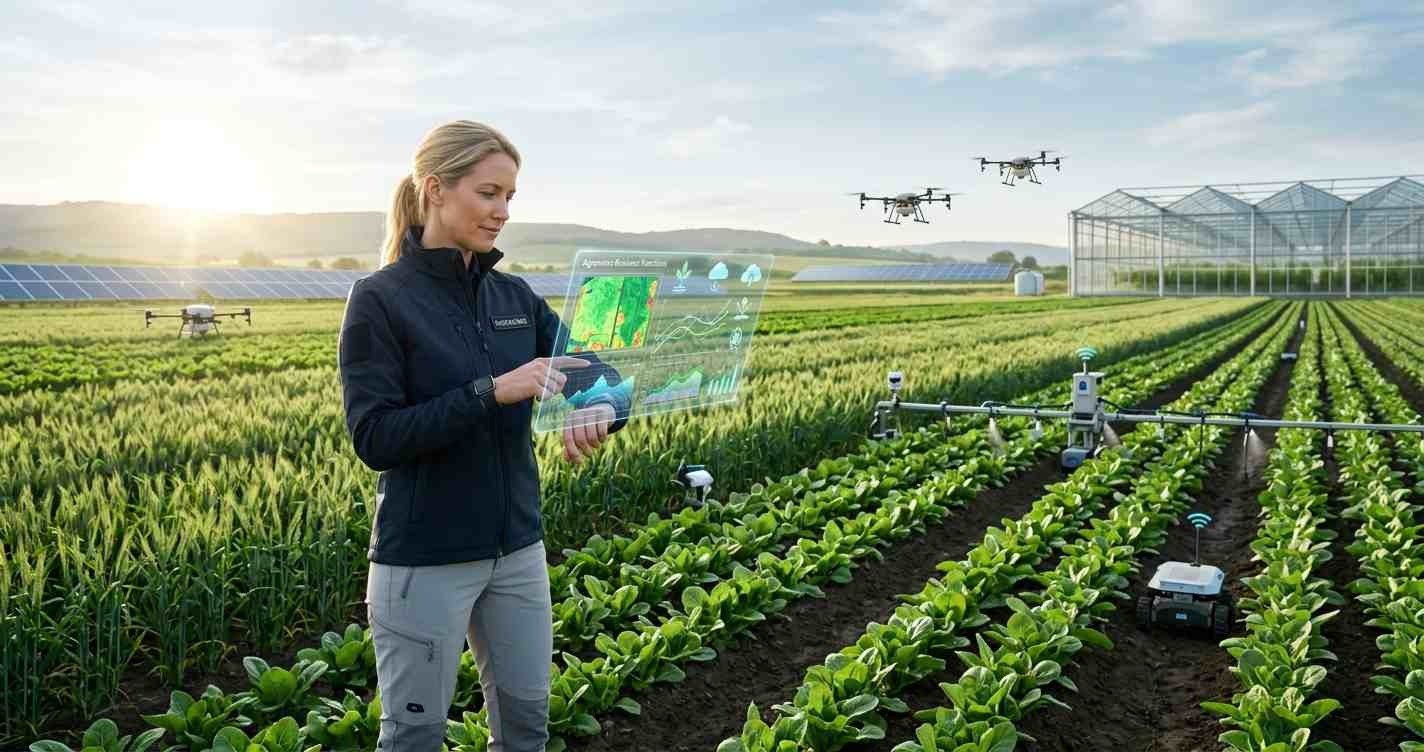
One of the biggest advancements is precision agriculture. Using GPS mapping, satellite images, and sensors, agronomists can analyze different areas of a field separately instead of treating the entire farm equally. This allows farmers to apply water, fertilizers, and pesticides only where needed.
Artificial intelligence is also changing agronomy. AI systems can analyze large amounts of agricultural data, predict crop diseases, and provide recommendations based on weather and soil conditions.
| Technology | Agricultural Use |
| Drones | Crop monitoring and field analysis |
| AI Systems | Prediction and decision support |
| Soil Sensors | Real-time soil information |
| GPS Mapping | Precision field management |
Farm management software has also improved communication between agronomists and farmers. Digital platforms allow professionals to track crop progress, record field activities, and create detailed reports.
These technologies do not replace agronomists; instead, they make their expertise more powerful. By combining scientific knowledge with digital tools, agronomists can provide faster and more accurate recommendations.
The future of agriculture will depend on professionals who understand both farming principles and modern technology. This combination will make the Agronomo Business Function more efficient and valuable than ever before.
Related article here: Future of Digital Agriculture
Future of Agronomo Business Functions
The future of the Agronomo Business Function will be shaped by sustainability, digital transformation, and increasing demand for efficient food production. As the global population grows, agriculture must produce more food while using fewer resources.
Future agronomists will focus more on climate-smart agriculture. They will develop strategies that help farms handle extreme weather conditions, changing temperatures, and water limitations.
Artificial intelligence, robotics, and advanced analytics will become regular parts of agricultural decision-making. Agronomists will use these technologies to predict problems, improve crop performance, and create more accurate farming plans.
Another important trend is sustainable farming. Businesses and consumers are increasingly demanding environmentally responsible food production. Agronomists will help companies achieve sustainability goals by improving soil health, reducing chemical usage, and promoting regenerative farming practices.
| Future Trend | Expected Impact |
| AI Agriculture | Smarter farming decisions |
| Sustainable Methods | Better environmental protection |
| Data Analytics | Improved productivity |
| Precision Farming | Efficient resource usage |
The role of agronomists will also expand into agricultural business strategy. They will not only advise about crops but also contribute to planning, investment decisions, and long-term farm development.
As agriculture becomes more technology-driven and environmentally focused, skilled agronomists will become essential for creating successful farming systems. Their ability to combine science, technology, and business knowledge will define the future success of modern agriculture.